

Blog

  • The Ultimate First-Timer’s Guide to Navigating Singapore Like a Local

    Singapore looks intimidating on paper. A tiny island with strict laws, multiple languages, and a reputation for being expensive. But here’s what actually happens when you land: the airport is clearer than most shopping malls, the trains make sense within minutes, and locals speak English better than half the countries you’ve visited.

    Your first Singapore trip doesn’t need months of planning. It needs the right information in the right order.

    Key Takeaway

    This first time Singapore travel guide covers visa requirements, transport systems, accommodation zones, essential apps, local etiquette, and practical budgeting. You’ll learn how to move around efficiently, where to stay based on your interests, which foods to try, and how to avoid common tourist mistakes while experiencing Singapore authentically.

    Before You Book Your Flight

    Singapore grants visa-free entry to citizens from most Western countries, Australia, New Zealand, Japan, South Korea, and several Southeast Asian nations. Check the Immigration and Checkpoints Authority website for your specific passport.

    Most visitors get 30 or 90 days on arrival. No paperwork. No queues beyond immigration.

    The best time to visit depends on what you value. December to February brings slightly cooler weather (25-28°C) but higher accommodation prices and crowds. June to August is school holiday season, meaning packed attractions but vibrant energy. March to May and September to November offer the sweet spot: manageable weather, fewer tourists, and better hotel rates.

    Rain happens year-round. Pack a light umbrella. Singapore’s tropical downpours are intense but brief.

    Getting From Changi Airport to Your Hotel

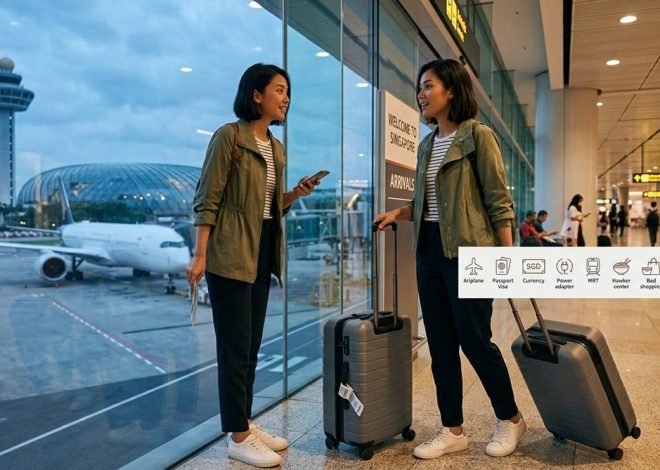
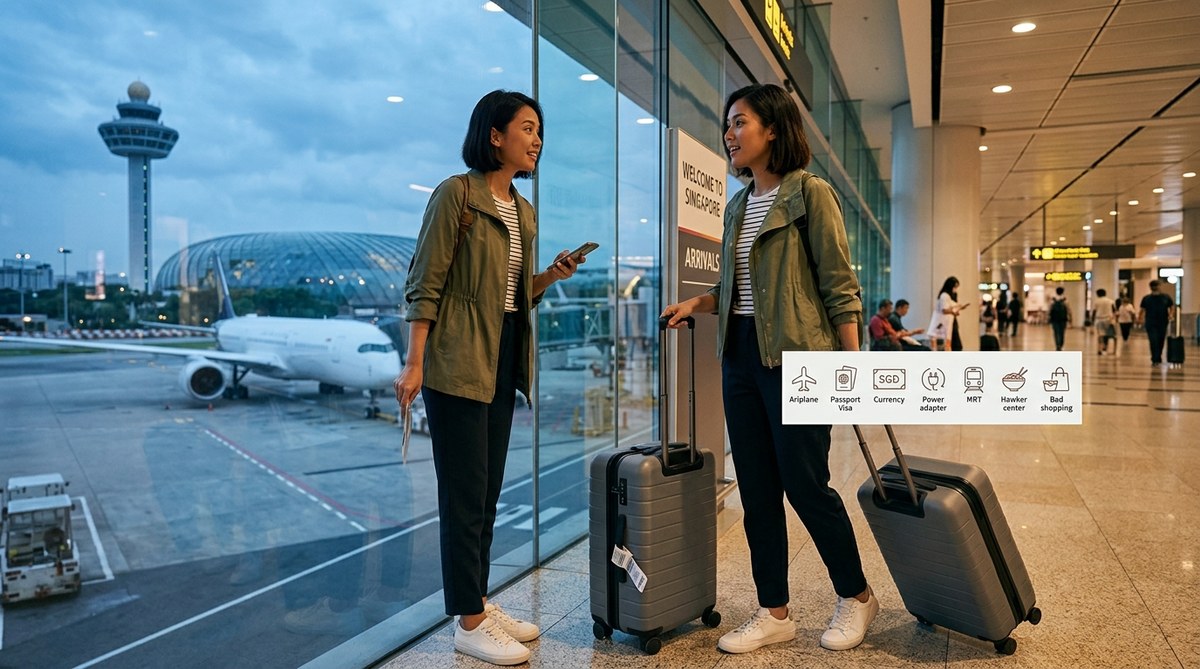
    Changi Airport consistently ranks as the world’s best. That’s not marketing. The signage actually makes sense.

    Your transport options:

    1. MRT (Mass Rapid Transit): Take the green East-West Line from Terminals 2 and 3, or the orange Downtown Line from Terminal 3. Journey to the city centre costs S$2.50 and takes 30-40 minutes. Trains run from 5:30am to midnight.

    2. Airport Shuttle: Shared buses run to major hotels for around S$9 per person. Convenient if your accommodation is on the route.

    3. Taxi or Grab: Fixed fares to the city centre range from S$20-35 depending on your destination. Grab (Southeast Asia’s Uber) often costs less than traditional taxis.

    4. Private Transfer: Pre-booked cars start around S$50. Worth it if you’re arriving late or travelling with family.

    The MRT is your best choice for solo travellers or couples with light luggage. It’s clean, safe, and runs like clockwork.

    Understanding Singapore’s Transport System

    Singapore’s public transport is genuinely world-class. The MRT connects every major area. Buses fill the gaps. Both accept the same payment methods.

    Get an EZ-Link card at any MRT station for S$12 (S$5 deposit, S$7 stored value). Tap in, tap out. That’s it. The card works on trains, buses, and even at some convenience stores.

    Alternatively, use your contactless credit card. Most international Visa and Mastercard work on the system without setup.

    Google Maps handles route planning perfectly. Type your destination, select public transport, and follow the instructions. Trains arrive every 2-5 minutes during peak hours, 5-7 minutes off-peak.

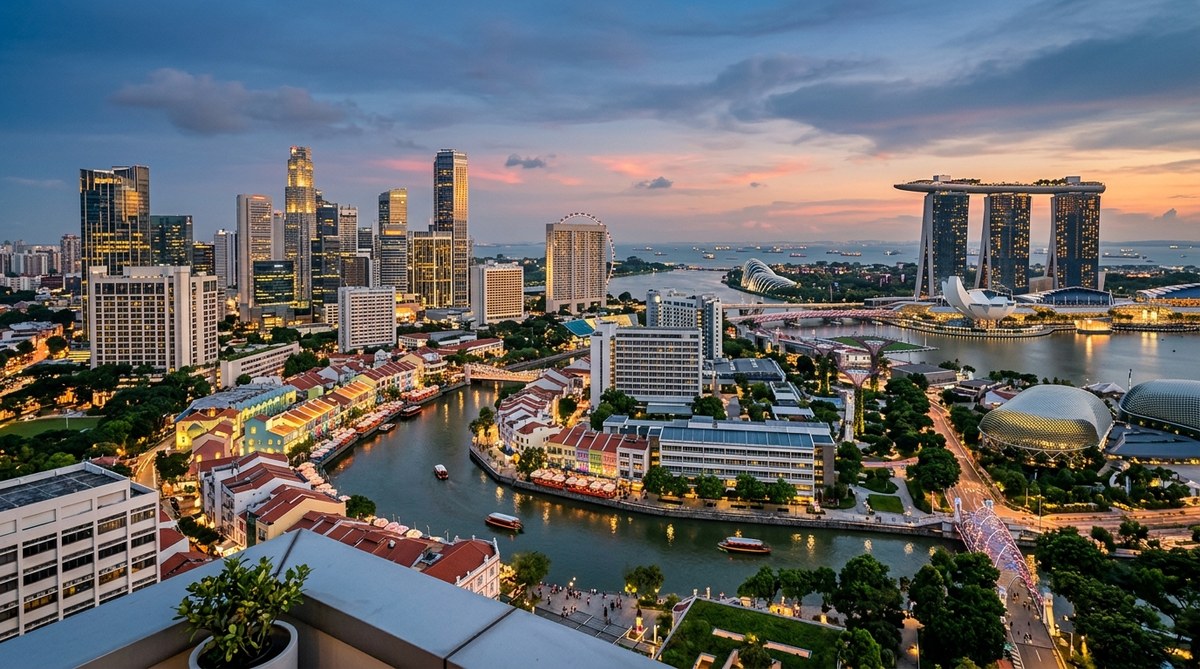
    Walking is underrated here. Singapore is compact. Marina Bay to Chinatown? 25 minutes on foot through air-conditioned malls and covered walkways. Clarke Quay to Little India? 30 minutes past interesting shophouses and local cafes.

    Taxis and Grab are affordable compared to Western cities. A 15-minute ride rarely exceeds S$15.

    Choosing Where to Stay

    Your accommodation location shapes your entire experience. Singapore’s neighbourhoods have distinct personalities.

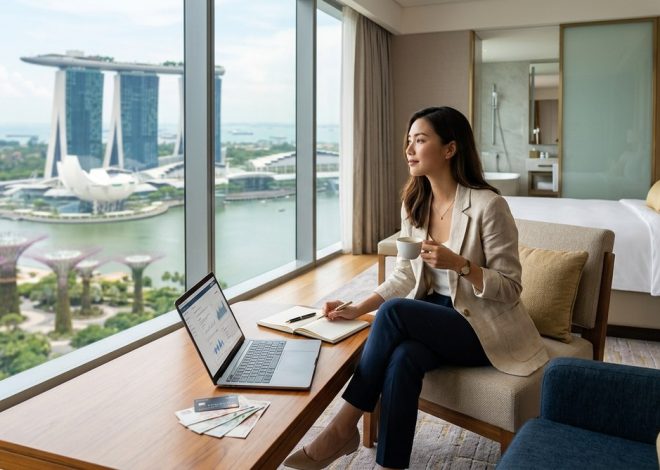
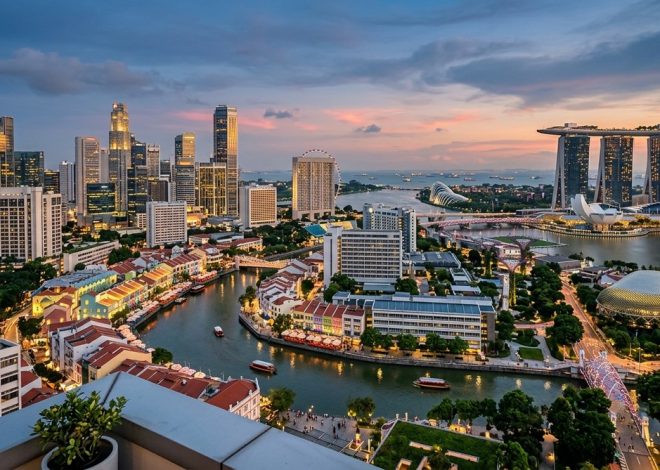
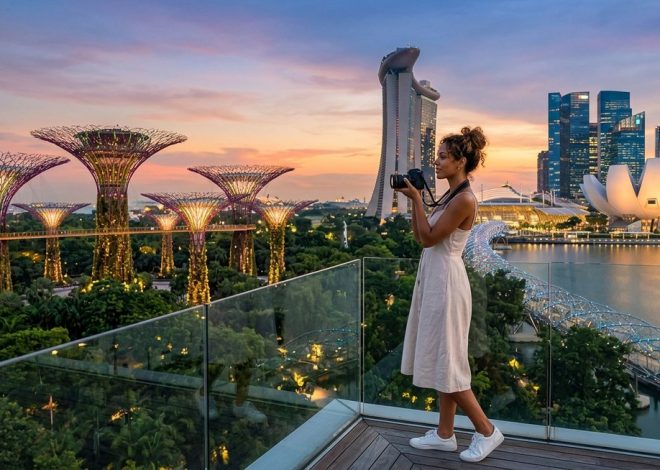
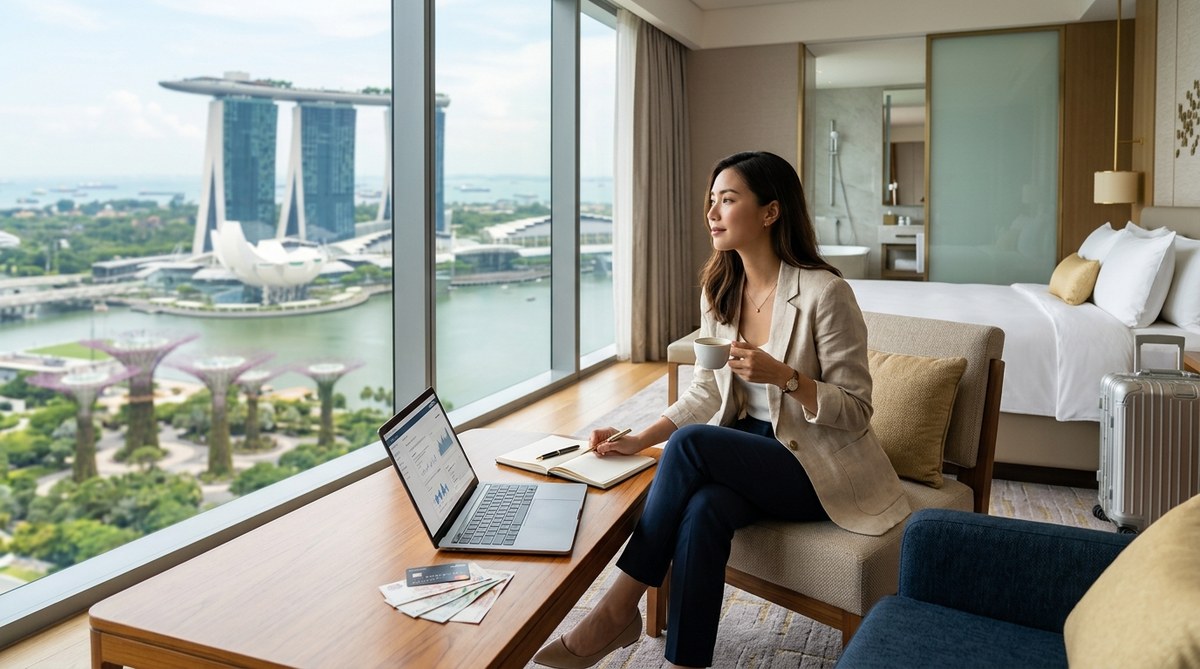
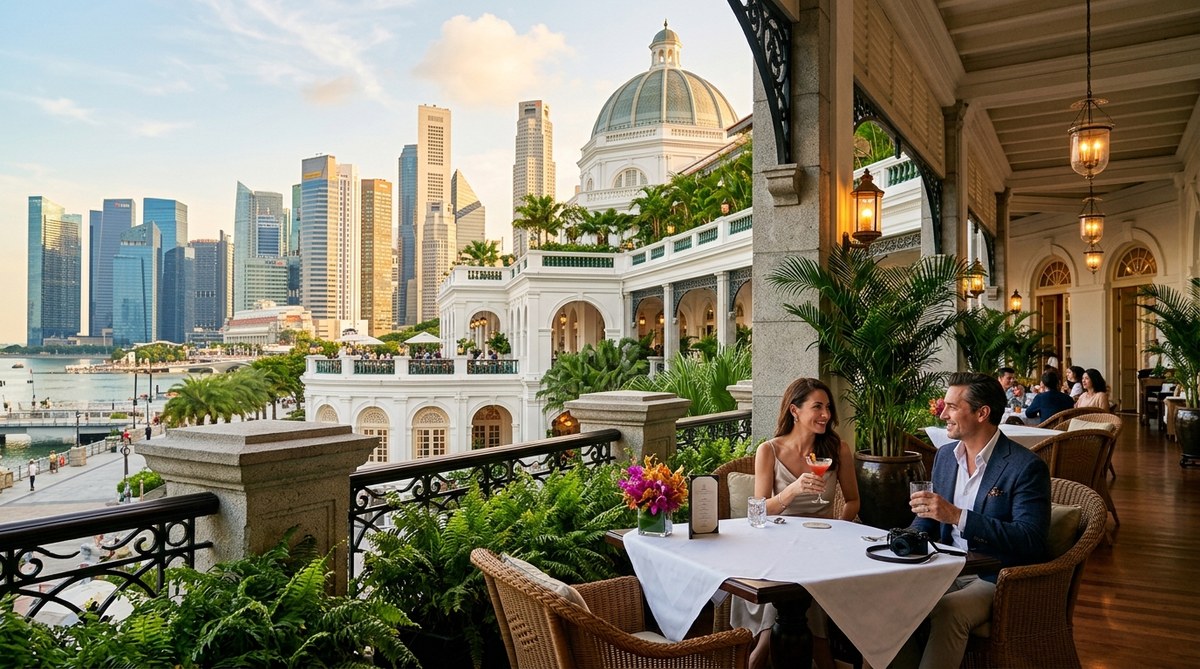
    Marina Bay puts you near the iconic skyline, Gardens by the Bay, and Marina Bay Sands. It’s modern, photogenic, and expensive. Great for first-timers who want the postcard Singapore experience.

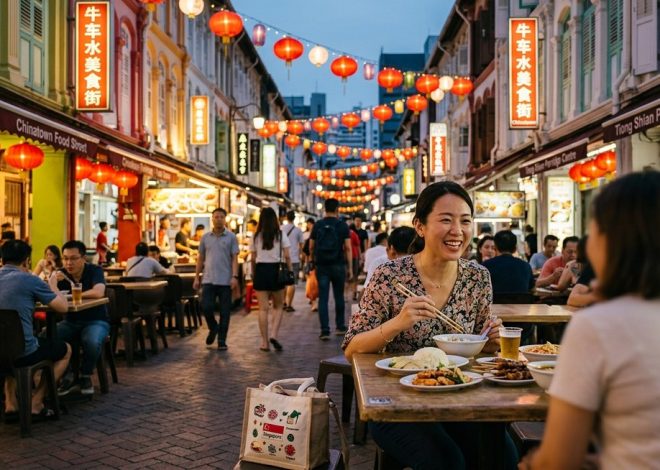
    Chinatown offers heritage shophouses, hawker centres, and temples within walking distance. Accommodation ranges from budget hostels to boutique hotels. This area has character and connects easily to other districts.

    Little India brings colour, authentic Indian cuisine, and lower prices. It’s grittier than Marina Bay but far more interesting. Perfect for travellers who prefer local atmosphere over polish.

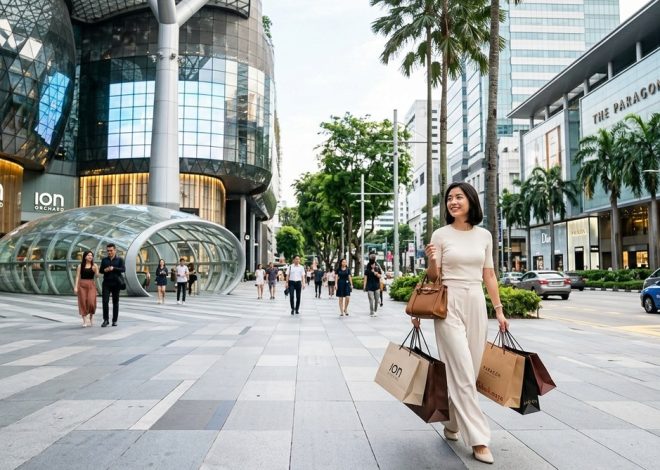
    Orchard Road is shopping central. Hotels here are upscale, and you’re surrounded by malls. Convenient but lacks the cultural depth of Chinatown or Little India.

    Bugis and Kampong Glam blend history with hipster cafes. Arab Street’s Sultan Mosque anchors this area, while Haji Lane offers Instagram-worthy murals and independent boutiques.

    Sentosa is Singapore’s resort island. Choose this if you want beaches, theme parks, and a vacation-within-a-vacation feel. You’ll need to travel to the main island for most sightseeing.

    Budget travellers should focus on Chinatown or Little India. Mid-range visitors have options everywhere. Luxury seekers gravitate toward Marina Bay or Sentosa.

    “Stay where you want to spend your mornings and evenings. Singapore’s transport makes daytime travel easy, but you’ll appreciate being near good breakfast spots and evening entertainment in your own neighbourhood.” – Local hotel concierge with 15 years experience

    Essential Apps and Services

    Download these before your flight lands:

    • Google Maps: Navigation that actually works
    • Grab: Ride-hailing and food delivery
    • SimplyGo: Check your transport card balance
    • Hungry Hub: Restaurant reservations with discounts
    • WeatherSG: Accurate rain forecasts

    Buy a local SIM card at the airport. Singtel, StarHub, and M1 offer tourist packages with 100GB data for S$15-30. Coverage is excellent everywhere.

    Most hotels, cafes, shopping centres, and even MRT stations provide free WiFi. But having mobile data removes the stress of finding connections.

    What to Eat and Where to Find It

    Singapore’s food scene is the real attraction. Forget the Merlion. Come for the hawker centres.

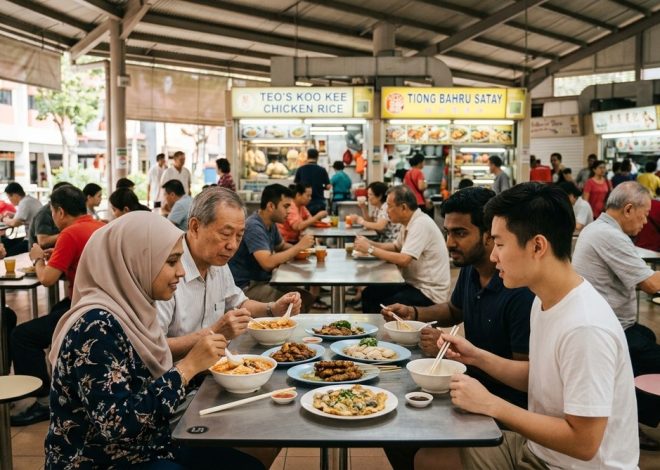
    Hawker centres are open-air food courts with dozens of stalls selling local dishes for S$3-6 per meal. They’re not tourist traps. Locals eat here daily.

    Must-try hawker centres:

    • Maxwell Food Centre (Chinatown): Famous for Tian Tian Hainanese Chicken Rice
    • Old Airport Road Food Centre: Massive selection, fewer tourists
    • Tekka Centre (Little India): Best for Indian and Muslim cuisine
    • Lau Pa Sat (Financial District): Historic building, evening satay street

    Essential dishes for first-timers:

    Dish What It Is Where to Try It
    Hainanese Chicken Rice Poached chicken with fragrant rice Tian Tian, Maxwell Food Centre
    Laksa Spicy coconut noodle soup 328 Katong Laksa
    Char Kway Teow Stir-fried flat noodles Hill Street Tai Hwa Pork Noodle
    Satay Grilled meat skewers with peanut sauce Lau Pa Sat evening street
    Nasi Lemak Coconut rice with various sides Selera Rasa Nasi Lemak
    Roti Prata Indian flatbread with curry The Roti Prata House

    Restaurants are pricier but still reasonable. A decent meal costs S$15-30 per person. High-end dining can reach S$100+ per person.

    Coffee culture here is unique. Try traditional kopi (coffee with condensed milk) at any kopitiam (coffee shop). It costs S$1.50 and tastes nothing like Starbucks.

    Local Customs and Rules You Actually Need to Know

    Singapore’s strict laws are real but practical. You won’t accidentally break them.

    Don’t do these things:

    • Smoke outside designated zones (heavy fines apply)
    • Eat or drink on the MRT (S$500 fine)
    • Litter (S$300 fine for first offence)
    • Jaywalk (S$50 fine, rarely enforced but possible)
    • Bring chewing gum for commercial purposes (personal use is fine)

    Do these things:

    • Stand on the left of escalators, walk on the right
    • Let people exit trains before boarding
    • Queue properly (Singaporeans take this seriously)
    • Keep your voice down in public spaces
    • Tip only at upscale restaurants (10% service charge is usually included)

    Dress codes are relaxed. Shorts and t-shirts work everywhere except high-end restaurants and religious sites. Bring something to cover shoulders and knees for temples and mosques.

    Singapore is safe. Women travel solo without issues. Petty crime is rare. You can leave your laptop on a cafe table while ordering. That said, use common sense.

    Building Your Itinerary

    Three days is the minimum to see Singapore properly. Five days lets you breathe. Seven days means you can take day trips to nearby islands.

    Day One Focus: Orientation and icons

    Start at Marina Bay. See the Merlion, walk through Gardens by the Bay, and catch the evening light show at the Supertree Grove. End at a hawker centre for dinner.

    Day Two Focus: Cultural neighbourhoods

    Morning in Chinatown (Buddha Tooth Relic Temple, traditional shops). Afternoon in Little India (Sri Veeramakaliamman Temple, colourful streets). Evening at Clarke Quay for riverside dining.

    Day Three Focus: Modern Singapore

    Orchard Road shopping, then Sentosa for beaches or Universal Studios. Alternatively, visit the Singapore Zoo or Botanic Gardens.

    Additional Days: Add Kampong Glam, East Coast Park, Pulau Ubin island, or the Southern Ridges walking trail.

    Don’t pack every hour. Singapore’s heat and humidity drain energy faster than you expect. Schedule afternoon breaks in air-conditioned spaces.

    Common Mistakes First-Timers Make

    Underestimating the heat: You’ll sweat more than anticipated. Carry water. Take breaks. Don’t schedule outdoor activities between 11am and 3pm.

    Overpaying for tourist attractions: Marina Bay Sands SkyPark costs S$32. The view from Pinnacle@Duxton costs S$6 and is equally impressive. Many parks and temples are free.

    Eating only at hawker centres: They’re great, but Singapore’s restaurant scene deserves attention. Budget for at least one proper meal at a local restaurant.

    Staying only in Marina Bay: You’ll miss the real Singapore. Spend time in neighbourhoods where locals actually live.

    Not checking public holidays: Chinese New Year, Deepavali, and Hari Raya affect opening hours and crowd levels. Plan accordingly.

    Assuming everything is expensive: Accommodation and alcohol cost more than Southeast Asian neighbours. But food, transport, and many attractions are reasonably priced.

    Budget Planning That Makes Sense

    Singapore costs more than Thailand or Vietnam but less than Australia or Western Europe.

    Daily budget estimates (per person):

    • Budget traveller: S$80-120 (hostel, hawker food, public transport)
    • Mid-range traveller: S$150-250 (decent hotel, mix of hawker and restaurants, occasional taxi)
    • Comfort traveller: S$300+ (nice hotel, restaurants, convenient transport, attractions)

    Money-saving strategies:

    • Eat breakfast at your hotel, lunch at hawker centres, dinner at mid-range restaurants
    • Book accommodation outside peak season
    • Use the MRT instead of taxis
    • Visit free attractions (Botanic Gardens, temples, neighbourhood walks)
    • Buy alcohol at supermarkets instead of bars (it’s significantly cheaper)

    Splurge-worthy experiences:

    • One signature restaurant meal (Burnt Ends, Odette, or Candlenut)
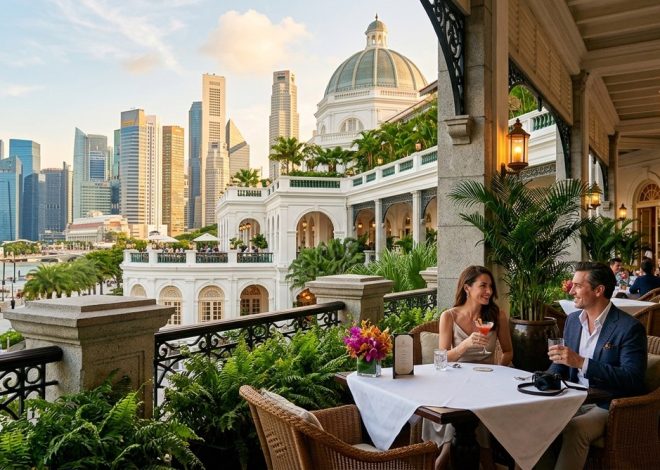
    • Singapore Sling at Raffles Hotel (touristy but iconic)
    • Night Safari at the zoo
    • Afternoon tea at a heritage hotel

    ATMs are everywhere. Credit cards work at most establishments except hawker centres and small shops. Carry S$50-100 cash daily.

    Making Your Trip Feel Less Touristy

    Want to experience Singapore like someone who lives here? Follow these patterns.

    Eat where locals eat: If the hawker stall has a queue of office workers at lunch, join it. If the kopitiam is full of retirees reading newspapers, sit down and order kopi.

    Use neighbourhood markets: Tekka Market, Tiong Bahru Market, and Chinatown Complex have wet markets on lower floors. They’re fascinating even if you don’t buy anything.

    Take the bus: Tourists stick to the MRT. Locals use buses for shorter trips. Upper deck front seats offer great city views.

    Visit on weekday mornings: Tourist attractions are packed on weekends. Go early on Tuesday or Wednesday for a different experience.

    Ask locals for recommendations: Singaporeans love sharing food opinions. Ask your hotel staff, Grab drivers, or shop owners where they eat.

    Skip some icons: You don’t need to see everything. Choose what genuinely interests you rather than ticking boxes.

    Your Singapore Trip Starts Here

    Singapore rewards preparation without punishing spontaneity. Book your accommodation and sort your arrival transport. Everything else can happen on the ground.

    The city is designed to be navigable. Signs are clear. People speak English. Systems work. Your biggest challenge won’t be logistics but deciding which hawker stall to try next.

    Start with the practical basics in this guide. Then let Singapore surprise you with the details you didn’t plan for. That’s where the real experience lives.

  • Hello world!

    Welcome to WordPress. This is your first post. Edit or delete it, then start writing!